A vertical handheld, configured the way I would want one myself
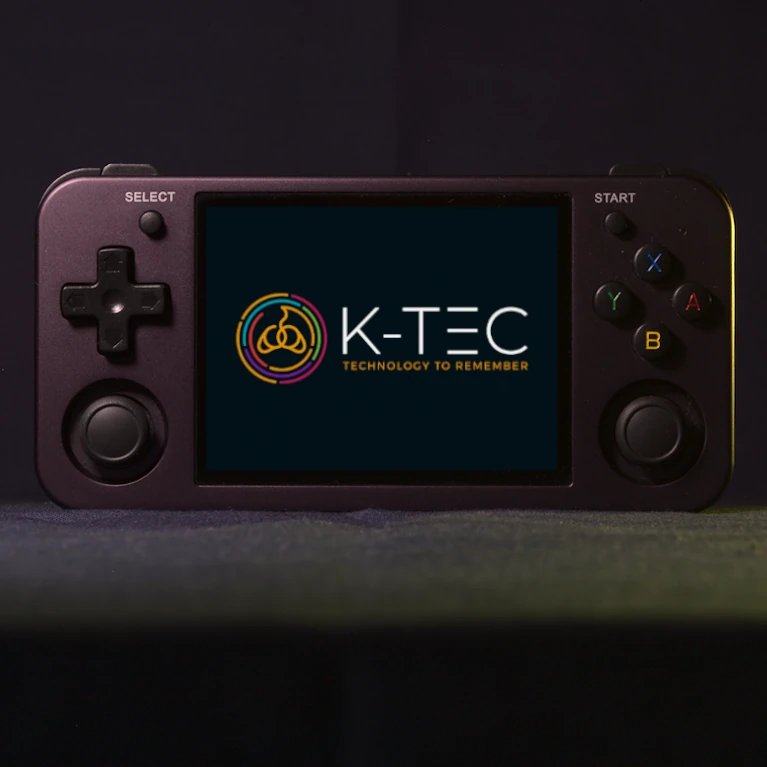
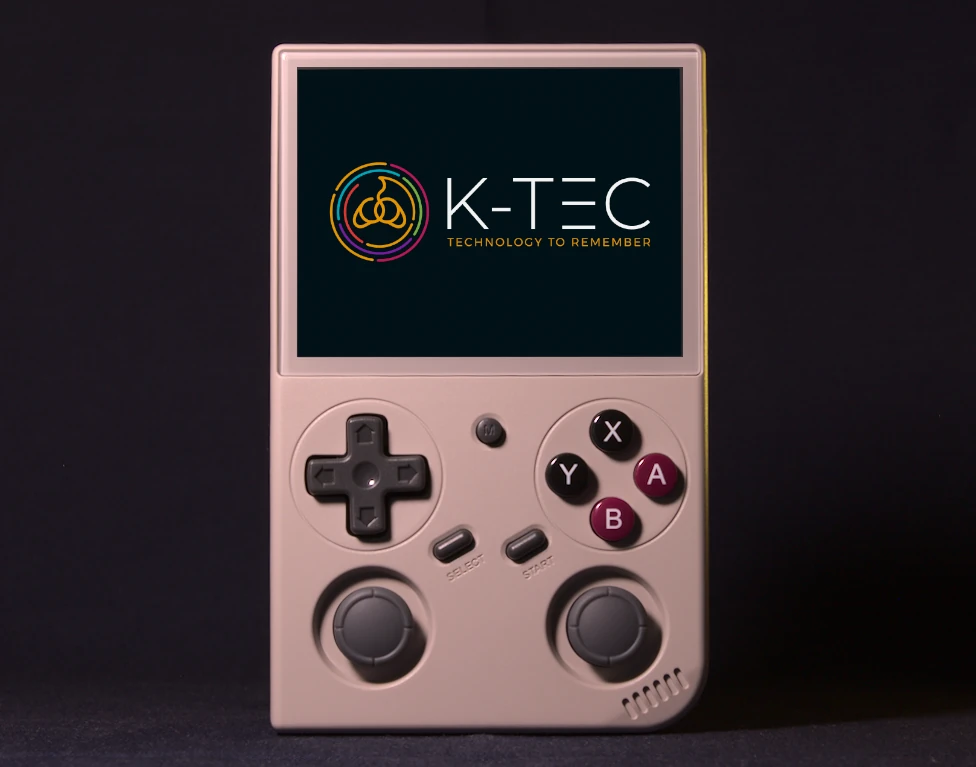
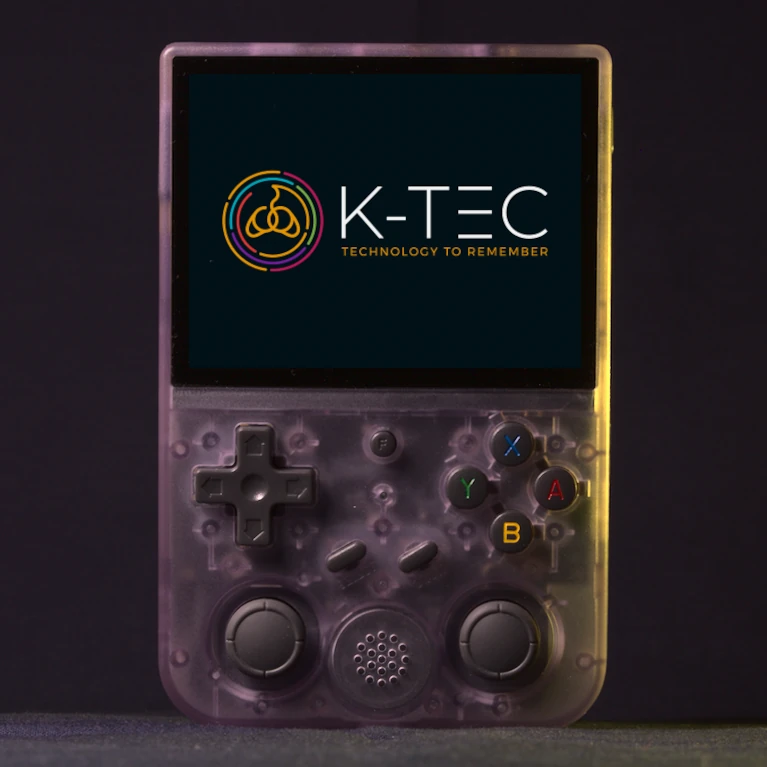
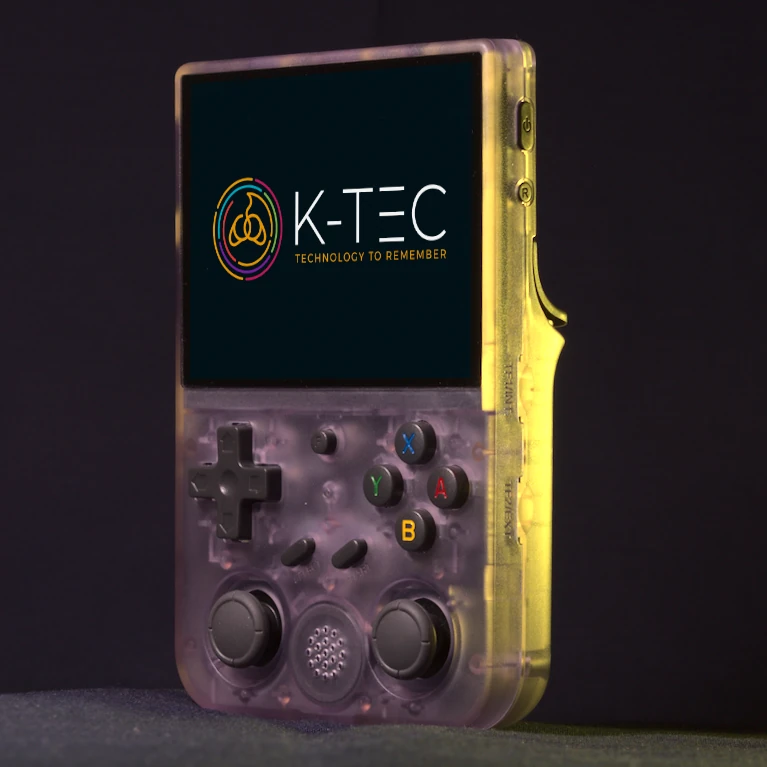
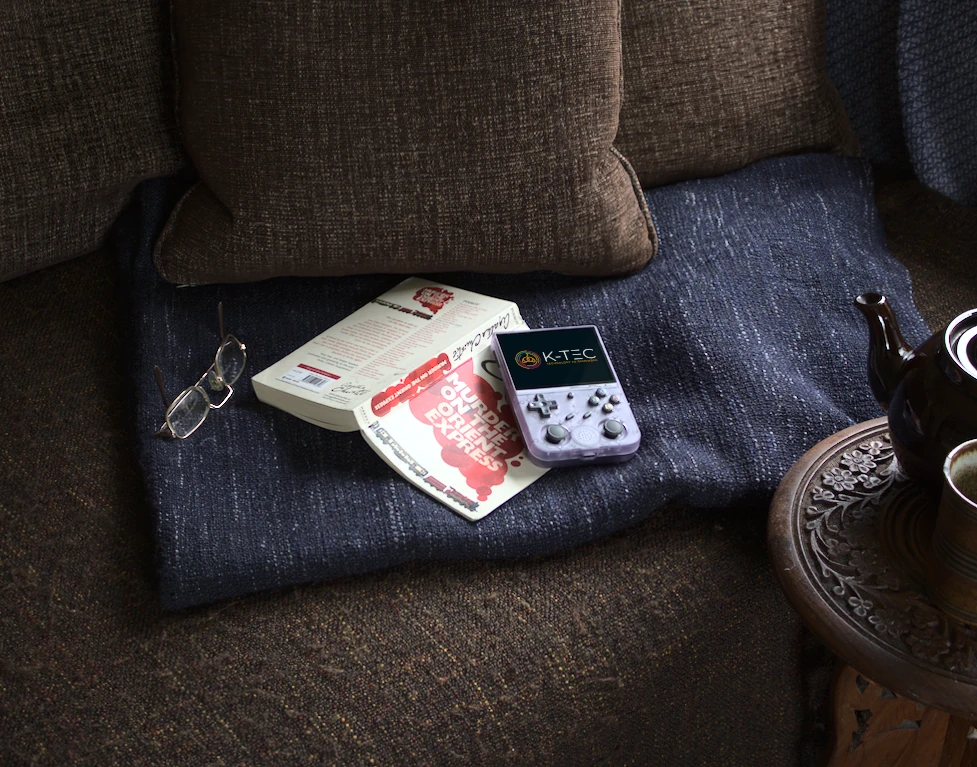
The Anbernic RG353V is the classic vertical shape you remember — small enough to slip into a pocket, light enough for one-handed role-playing sessions, with a 3.5-inch IPS screen in the 4:3 aspect ratio that suits retro games best. The RK3566 chip inside it is one of the best-supported boards in the retro handheld community, which means it is a device I can configure thoroughly — and have.
This is the K-TEC Edition. The hardware is Anbernic’s; the experience is mine. I strip out the bloated stock software and replace it with a tuned, dual-operating-system setup so your only job is to play — not to spend an evening on forums.
Dual-boot as standard — with custom firmware on both
Other retailers ship the RG353V with the stock operating systems Anbernic provides — and those stock operating systems are not very good. Every RG353V from K-TEC ships dual-boot as the default configuration, with custom firmware installed on both boot options:
- ArkOS (Linux) — a streamlined, lightweight system built for emulation. This is where the device performs best on 3D systems like Dreamcast.
- GammaOS-RK3566 (Android) — a fast, app-friendly system when you want Android flexibility.
You switch between them at boot. Both come with a visual library — EmulationStation on Linux and Daijishou on Android — so your games appear as tidy lists that feature cover art and descriptions, rather than a raw file browser.
Hardware and feel
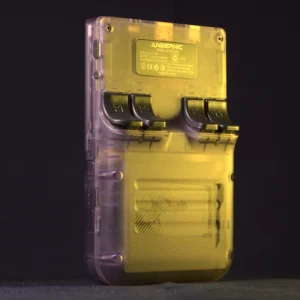
- 3.5-inch IPS multi-touch screen — 640 × 480 in a 4:3 aspect ratio, the ideal retro shape, at 228 PPI. Sharper than it has any right to be at this size.
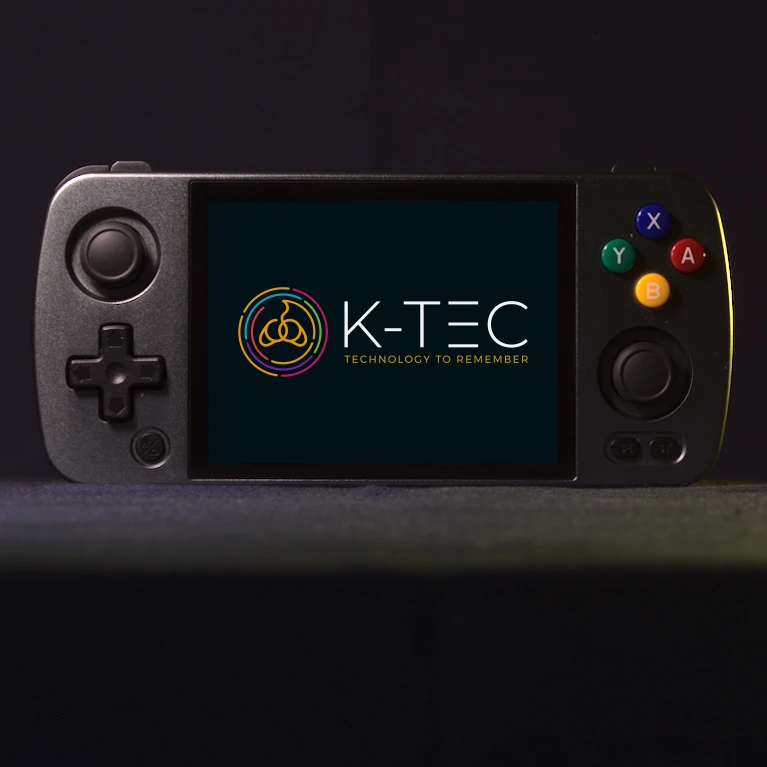
- Dual symmetrical joysticks (L3/R3 clickable) — the classic layout for the systems this device plays.
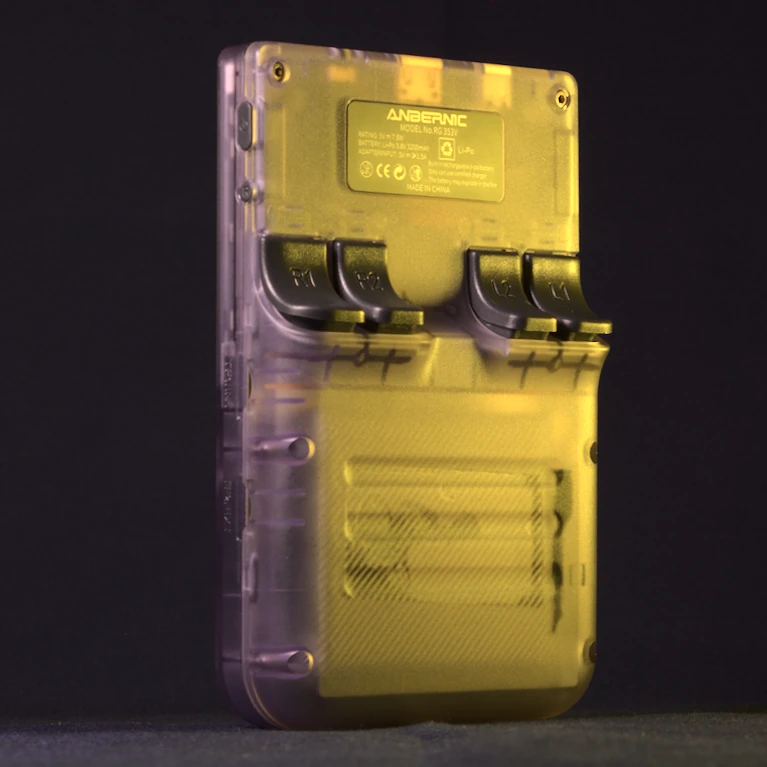
- L1/R1 shoulder buttons and digital L2/R2 triggers for the systems that need them.
- mini-HDMI output — plug it into a television or monitor and play on the big screen. This is an edge the RG353V holds over the dual-screen RG DS.
- 3200 mAh battery — around six hours of play.
- 180 g, 83 × 126 × 21 mm — a genuine pocket device.
What it plays well, and where it reaches its limit
I will be straight with you about performance, because overselling a chip helps nobody.
- Plays at its best: Dreamcast and Nintendo 64, plus everything older — PlayStation 1, SNES, Mega Drive, NES, and the rest. This is where the RG353V shines.
- Plays well: PlayStation 1, Nintendo DS, Sony PSP, and everything up to and including the SNES era. With my tuning, PSP runs well on this device.
- Pushes the hardware: 3DO and some Dreamcast titles will not hit full speed on every game. My tuning gets the absolute best the chip can deliver — and Dreamcast runs better under ArkOS than GammaOS.
- Not capable of: PlayStation 2, GameCube and above.
The work you do not see
Factory settings are generic, written to suit every device the same way. I configure each RG353V for this specific chip:
- A stable overclock to 1.9 GHz on ArkOS (up from the 1.8 GHz base) for smoother 3D performance.
- A targeted SH4 under-clock fix for Dreamcast on Android.
- The Rice Renderer enabled for Nintendo 64.
- Screen cropping for home computers like the Commodore 64 and ZX Spectrum, so the picture fills the display instead of sitting inside an ugly border.
- Simplified shortcuts for managing Nintendo DS screens, so you never get stuck in a menu.
This is the invisible work — the hours of tweaking, testing and refinement — that turns a capable piece of hardware into something that simply works the moment you turn it on.
Supported systems
Your K-TEC Edition RG353V arrives pre-configured across a broad sweep of gaming history:
- Home consoles: PlayStation 1, Nintendo 64, SEGA Dreamcast, SNES, SEGA Mega Drive.
- Handhelds: Game Boy Advance, Nintendo DS, Sony PSP.
- Home computers: Amiga, Commodore 64, ZX Spectrum.
- And dozens of arcade and classic systems — every platform pre-configured and ready to play.
Brand-name storage, backed for life
This is where I refuse to cut the corner that catches people out. Cheap handhelds arrive with no-name SD cards that corrupt within weeks — and take your save files with them.
Every RG353V from K-TEC ships with brand-name microSD cards: a 16 GB system card for ArkOS, plus your choice of a 64 GB or 128 GB games card. I am confident enough in these to back them with my Lifetime SD Card Guarantee. If a card fails, I replace it.
A note on charging
The RG353V uses a standard 5V / 1A–2A charger with a USB-A to USB-C cable. Please avoid USB-C to USB-C fast chargers — the kind that come with modern phones and MacBooks. They can damage the battery regulation circuit on this device. A normal phone or plug-top USB charger with a USB-A port is exactly right.
What others say
“I’m at the age where I just want things easy. And yes I could do it myself but I was pleasantly surprised that they have it all done so it’s just plug and play.”
— Akthar, Birmingham
Want to see it in action? Our Nerd Corner reviewed the K-TEC RG353V in a video they titled “The Device That Finally Made Me Put Down My Phone” — a look at the dual-boot setup, the screen, and the appeal of going back to 90s games rather than chasing more power.
Find your fit
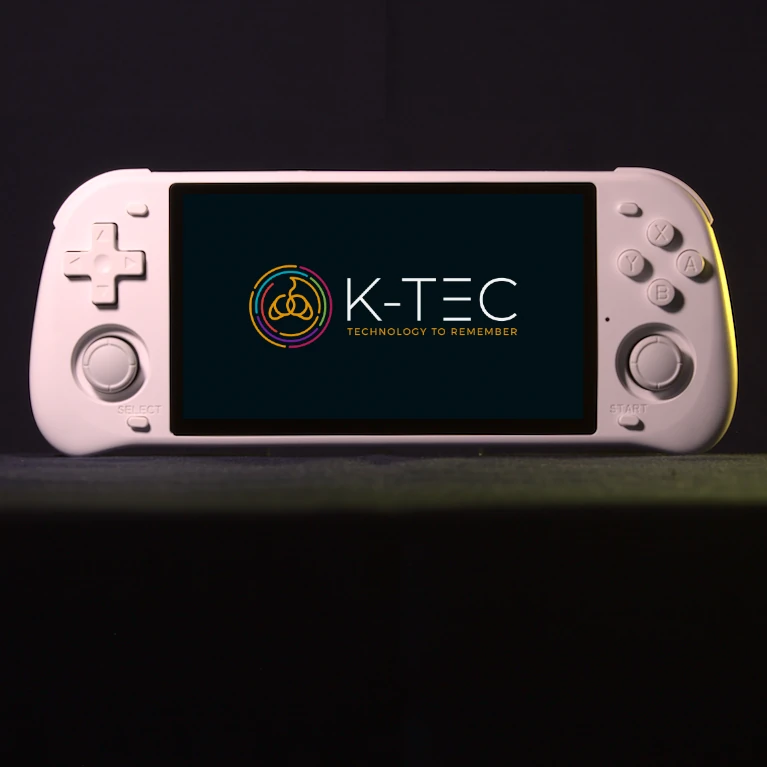
- Prefer a premium metal shell and a horizontal layout for larger hands? See the Anbernic RG353M — the same internals in a different body.
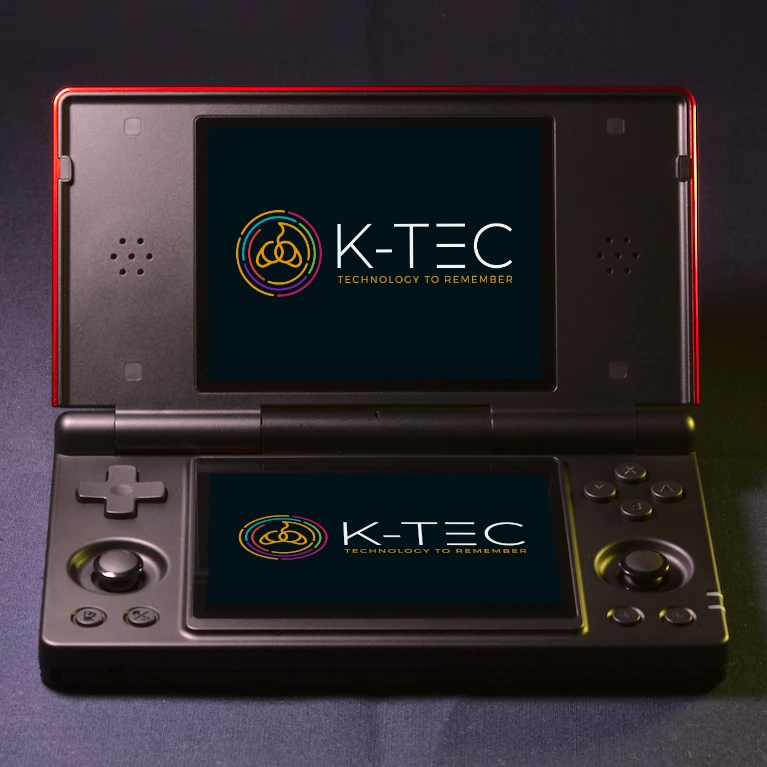
- Curious about the dual-screen clamshell? See the Anbernic RG DS.
- Already own one? The RG353M / RG353V user guide walks you through every button and setting.
- Comparing sellers? Read Where to Buy the Anbernic RG353V in the UK — an honest look at prices, stockists and what you actually get for your money.
Why K-TEC at all?
If you are weighing this against a cheaper import or an Amazon reseller, the short version is this: same hardware, completely different experience. I pre-optimize every device — per-platform tuning, brand-name storage, the Lifetime SD Guarantee and UK support — so you open the box and it works. Ready to play, right out of the box. No setup. No frustration.
Technical specifications
| Feature | Specification |
|---|---|
| Processor (CPU) | Rockchip RK3566, quad-core Cortex-A55 (1.8 GHz base; stable overclock to 1.9 GHz on K-TEC’s ArkOS) |
| Graphics (GPU) | Mali-G52 2EE |
| RAM | 2 GB LPDDR4 |
| Storage | 32 GB eMMC (Android) + 16 GB brand-name card (ArkOS system) + your choice of 64 GB or 128 GB brand-name games card |
| Display | 3.5-inch IPS multi-touch, 640 × 480, 4:3 aspect ratio, 228 PPI |
| Operating system | Dual-boot as standard: ArkOS (Linux) + GammaOS-RK3566 (Android 12) — both pre-configured |
| Controls | Dual symmetrical potentiometer joysticks (L3/R3 clickable), L1/R1 shoulder buttons, digital L2/R2 triggers, multi-touch screen |
| Connectivity | Wi-Fi 5 (2.4/5 GHz 802.11a/b/g/n/ac), Bluetooth 4.2, mini-HDMI output, USB-C, 3.5 mm audio jack |
| Battery | 3200 mAh Li-polymer (~6 hours of play) |
| Dimensions | 83 × 126 × 21 mm |
| Weight | 180 g |
Available options
- Colours: Transparent Black, Transparent Purple, Retro Grey
- Storage: Essential Edition (16 GB system + 64 GB games) or Expanded Edition (16 GB system + 128 GB games)
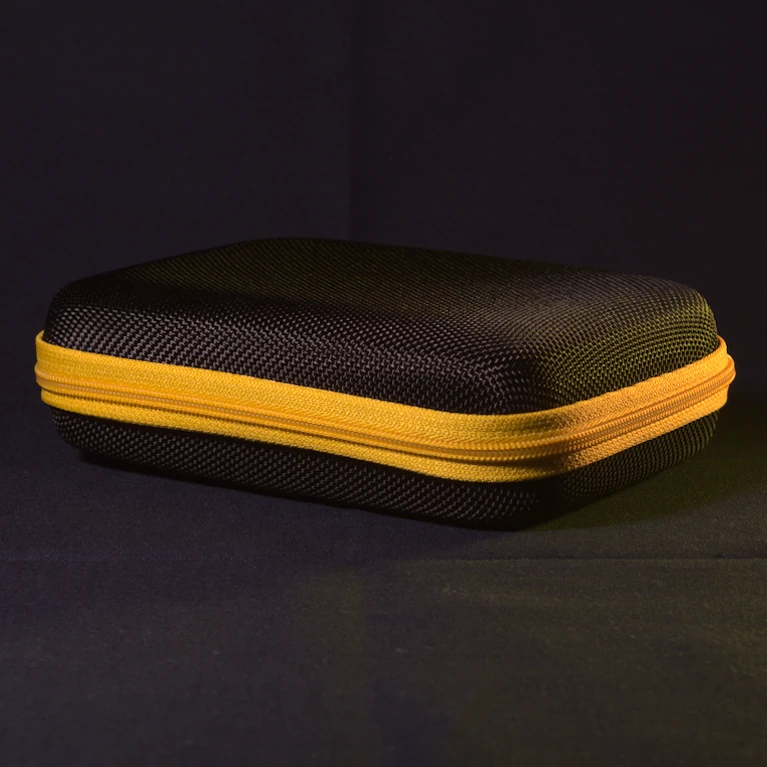
- Optional accessory: Hardshell travel case (£12.90 — or 25% off when bought with the device; the discount applies automatically at checkout). Also fits the PowKiddy RGB20S.