
The RG405M is the device people come to when they want more than PS1 and GBA. Dreamcast, even PlayStation 2 — all wrapped in a solid aluminium body that feels like it was built to last.
It’s also the device I’ve spent the most time configuring. Fifty-five console setups, individually tested and tuned. Double-resolution enhancements on PSP and PS1. Per-platform control schemes. Auto-save across dozens of systems. The RG405M is where the K-TEC optimisation work really shows what it can do.
The metal handheld done properly
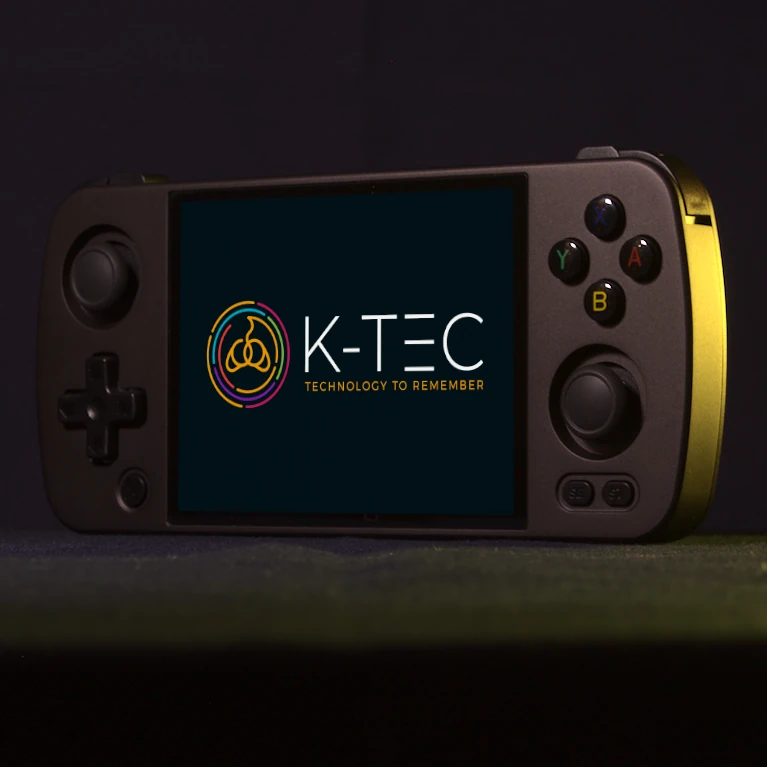
Anbernic have a habit of making metal devices that feel right. The RG405M is CNC-machined aluminium — cool to the touch, solid in your hands, with just enough weight to feel substantial without being tiring. It’s the kind of device you pick up and immediately think “this is well made.”
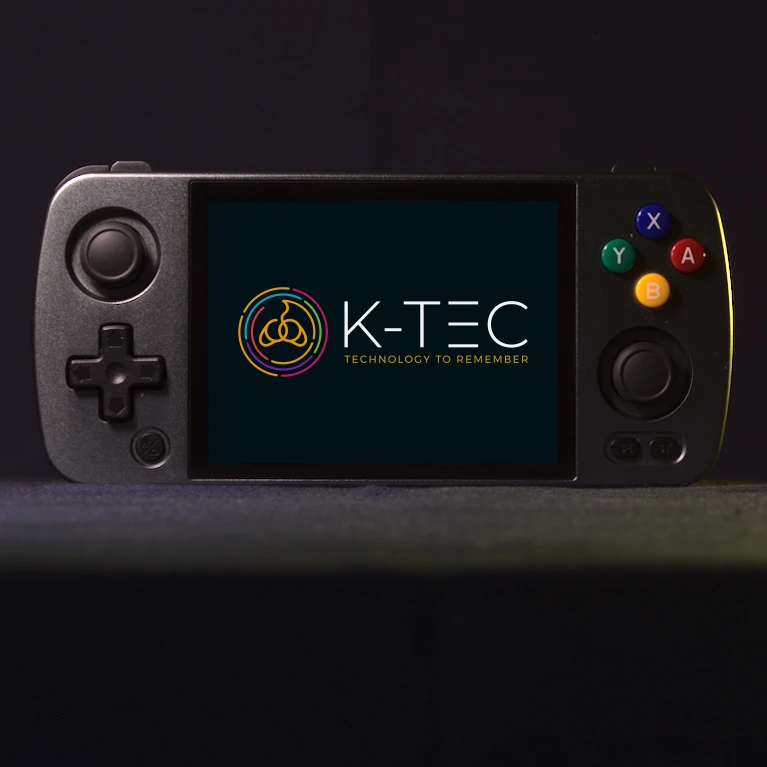
The 4.0-inch IPS touchscreen is bright and vibrant. The 4:3 aspect ratio is ideal for retro gaming — SNES, Mega Drive, PlayStation, GBA all display at their native proportions without stretching or letterboxing. The hall-effect analogue sticks won’t develop drift. The 4500 mAh battery is the largest in the K-TEC lineup, good for up to twenty hours in power-saving mode.
These are the things that drew me to the device. The hardware is honest, capable, and well-built. But the interesting part is what happens when you push its emulation ceiling.
From NES to PS2 — and where the limits are
The RG405M’s processor is a step above what’s inside the RG-353V and RG DS. That extra power opens up console generations that those devices can’t touch. Here’s how it breaks down.
The classics — flawless
NES, SNES, Game Boy, Game Boy Color, Game Boy Advance, Mega Drive, Master System, Game Gear, PC Engine, Atari 2600, 7800, ColecoVision — all run perfectly. These are the systems the RG405M handles without breaking a sweat. If classic 2D gaming is your main interest, the RG405M does it beautifully.
Arcade, Neo Geo, and Capcom CPS I/II/III are similarly strong. The controls are responsive, the performance is smooth, and the 4:3 screen displays these games exactly as they were designed to look.
The 32-bit and 64-bit era — where it shines
This is where the RG405M separates itself from the devices below it in the lineup.
PlayStation runs with enhanced rendering that fixes the wobbly textures PS1 games are known for. Combined with double-resolution rendering, PS1 games look sharper and more stable than they did on original hardware. It’s a genuine upgrade over the original experience.
Nintendo 64 and Dreamcast run well. Some titles in these libraries are more demanding than others, but the majority play smoothly. There’s enough headroom to handle these systems without the compromises you’d see on a less powerful device.
PSP also benefits from double-resolution rendering. PSP games were designed for a widescreen display, so you’ll get letterboxing on the 4:3 screen — but the games themselves run well, and the enhanced resolution makes a noticeable difference to clarity.
Nintendo DS is supported with touch input via the screen. You won’t get the dual-screen layout of the RG DS, but NDS games are perfectly playable.
Home computers — Commodore, Spectrum, Amiga
The ZX Spectrum, Commodore 64, Amstrad CPC, and Amiga are all configured and working. Spectrum games — which were designed for a keyboard — have been individually mapped to the gamepad, so controls work without needing to bring up a virtual keyboard.
If you grew up with a home computer in the 1980s, this is where the nostalgia really kicks in. Getting these platforms feeling right on a gamepad takes more work than you’d think.
Pushing the ceiling — PS2, GameCube, Wii, 3DS
This is where I need to be honest.
The RG405M can run some PlayStation 2, GameCube, Wii, and 3DS titles. “Some” is the important word. These systems push the RG405M hard, and not every game is playable at full speed. You may notice occasional stuttering when a game loads a new area for the first time — this is normal and clears up on subsequent sessions. Some games run surprisingly well. Others don’t.
If PS2 or GameCube performance is critical to you, this may not be the right device. The Retroid Pocket 3 Plus shares the same processor but offers a larger 4.7-inch widescreen display that’s better suited to PSP and PS2’s widescreen output.
I’d rather you bought the right device than the wrong one, even if it’s not this one.
What GammaOS does for this device
The RG405M ships from K-TEC with GammaOS — the custom Android firmware built specifically for retro gaming handhelds. It replaces the stock Android installation with something lighter, faster, and designed for one purpose.
Three performance modes let you balance power against battery life:
- Power Saving — most 2D games, up to twenty hours of battery
- Normal — up to Dreamcast and PSP, a good compromise
- Max Performance — GameCube, Wii, PS2 — drains the battery faster, but gives you the power when you need it
The Daijishou frontend provides the visual game library — box art, metadata, organised by platform. Auto-Save/Load works across dozens of supported systems, so you can quit any game mid-play and it picks up exactly where you left off.
The K-TEC configuration — what you don’t see
Fifty-five console configurations on the RG405M is more than any other device in the lineup. But the number is less important than the work behind it.
Each platform has been tested with its own emulator settings — the right core, the right video driver, the right audio configuration. PS1 has enhanced rendering. PSP has double-resolution. Dreamcast is configured for the settings that run most smoothly on this hardware. Twenty PS1 games that need analogue input have individual controller remaps so the analogue sticks work as expected.
ZX Spectrum games have per-game control mappings. The Vectrex library has thirty-five custom screen overlays that recreate the coloured plastic sheets the original cartridges shipped with.
This is the work that takes a device from “it works” to “it feels right.” You never see it — you just notice that things work the way they should.
What the RG405M doesn’t do
No device does everything, and the RG405M is no exception.
No HDMI output. Unlike the RG353V and the Retroid Pocket 3 Plus, you can’t connect the RG405M to a TV. It’s a purely portable device.
Android only. The RG405M runs Android 12 — there’s no Linux or dual-boot option. If you want a device that can switch between Linux (ArkOS) and Android (GammaOS), the RG353V does exactly that.
The aluminium shell gets warm. The body acts as a heatsink — this is by design and is completely normal during extended play sessions, especially in Max Performance mode. The internal fan handles cooling.
4:3 screen only. PSP, PS2, and other widescreen systems will display with letterboxing. The Retroid Pocket 3 Plus‘s 16:9 display is a better match if widescreen gaming matters to you.
Why buy it from K-TEC?
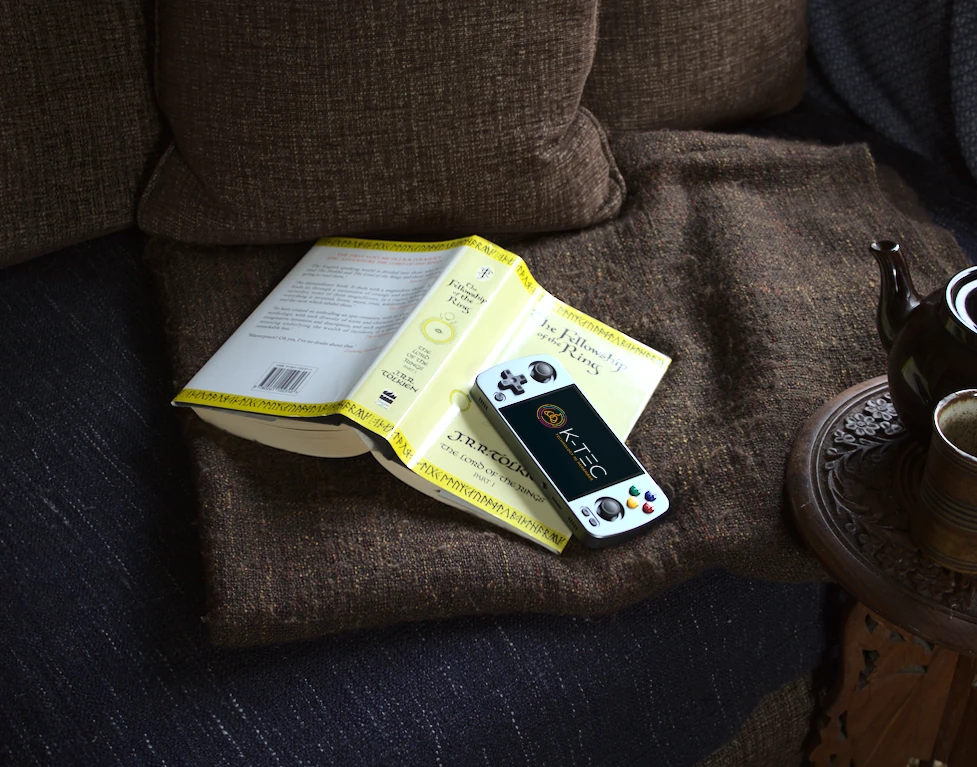
You can buy the RG405M from Amazon or direct from China for less. You’ll get the same aluminium body, the same processor, the same screen. But you’ll also get the stock firmware, a no-name SD card with no guarantee, and no one to talk to if something goes wrong.
Every RG405M from K-TEC ships with:
- GammaOS installed and configured — not stock Android. Every platform tested and tuned.
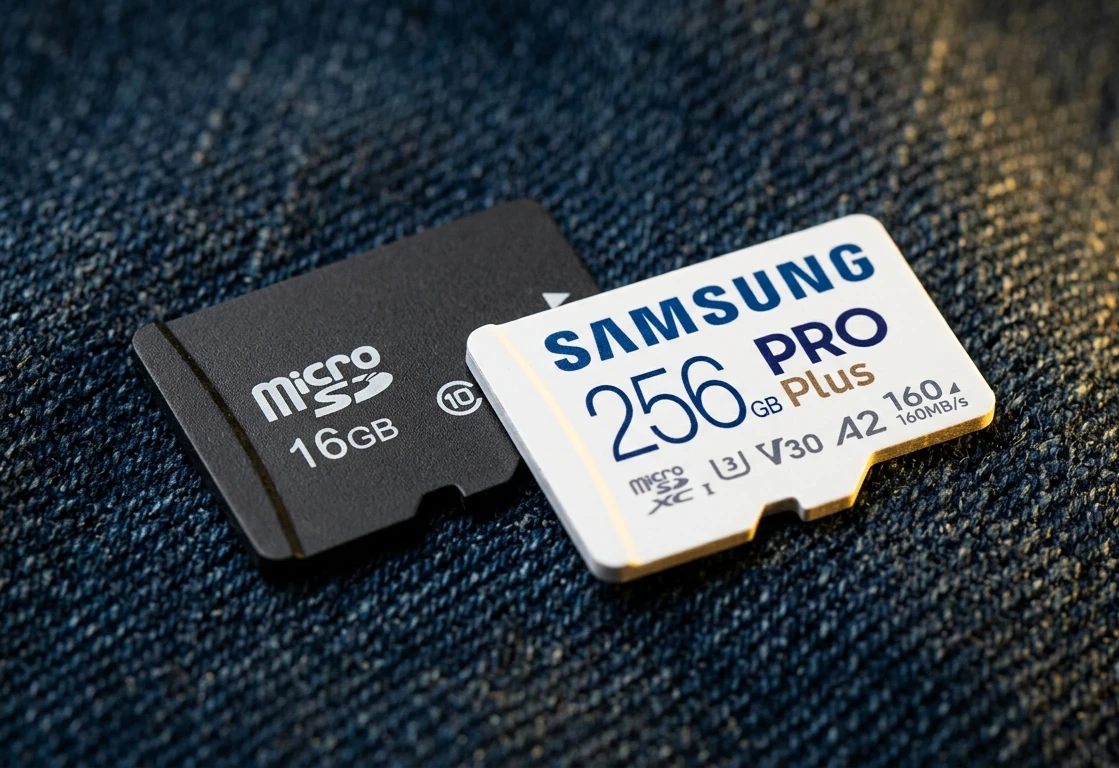
- Brand-name SD card — reliable storage for your games, not a factory card that might fail in a month.
- Lifetime SD Card Guarantee — if your SD card ever fails in your handheld, I’ll replace it. No one else offers this.
- Free UK delivery — Royal Mail Tracked 48, 2–3 working days.
- UK-based support — if something goes wrong, you talk to me. The person who configured your device.
“I’m blown away with how many emulators they’ve set up for it, and the amount of time I’ve saved was well worth the cost.” — Joseph Magnall, verified RG405M owner
Open the box, turn it on, play. That’s the whole point.
Not sure?
If you’re trying to choose between devices — or if you’re not certain the RG405M is right for you — get in touch. I’m happy to talk you through the options. No pressure, no upsell. Just honest advice from someone who spends their days doing this.
If the RG405M sounds like what you’re after, you can check it out here.
Leave a Reply