

You want to buy a retro gaming handheld as a gift. You’ve seen them online — pocket-sized devices packed with the games your partner, parent, or friend grew up playing. The idea is perfect: a small machine that hands someone their childhood back.
The problem is the buying. The market is full of cheap devices that arrive with broken configurations — software that hasn’t been set up properly, settings that don’t work, and a library in a state that needs hours of technical work before a single game runs as it should. Pick the wrong one and the gift that was meant to delight becomes an evening of frustration — for them, and a quiet embarrassment for you.
This guide is for UK buyers who want to get it right. I’ll explain what makes a retro handheld a good gift, where the cheap devices let you down, and how to choose one that works the moment it’s opened — with someone to call if it doesn’t.
What makes a good retro gaming gift
A great gift handheld does three things, and all of them matter more than the spec sheet.
It works straight away. The recipient opens the box, turns it on, and plays. No firmware to flash, no settings to fiddle with, no box art to download. If the device turns up needing setup, it isn’t really a gift — it’s a project you’ve handed someone.
It’s reliable. A retro handheld lives or dies by its storage card. When the card fails — and the cheap ones fail often — it takes every saved game with it. A gift that erases someone’s progress a few weeks in is worse than no gift at all.
There’s someone behind it. When the recipient hits a wall, you can’t help them — this isn’t your area. A device sold with no support leaves them on their own. A device sold by a UK specialist means there’s a real person to phone.
Hold those three against anything you’re considering, and most of the cheap options fall away immediately.
Why so many retro handhelds disappoint
Most retro handhelds on the market are sold factory-fresh, exactly as the manufacturer made them. That sounds reasonable. In practice it’s the source of almost every complaint you’ll read.
The factory setup has two weak points, and both of them hit a gift buyer hardest.
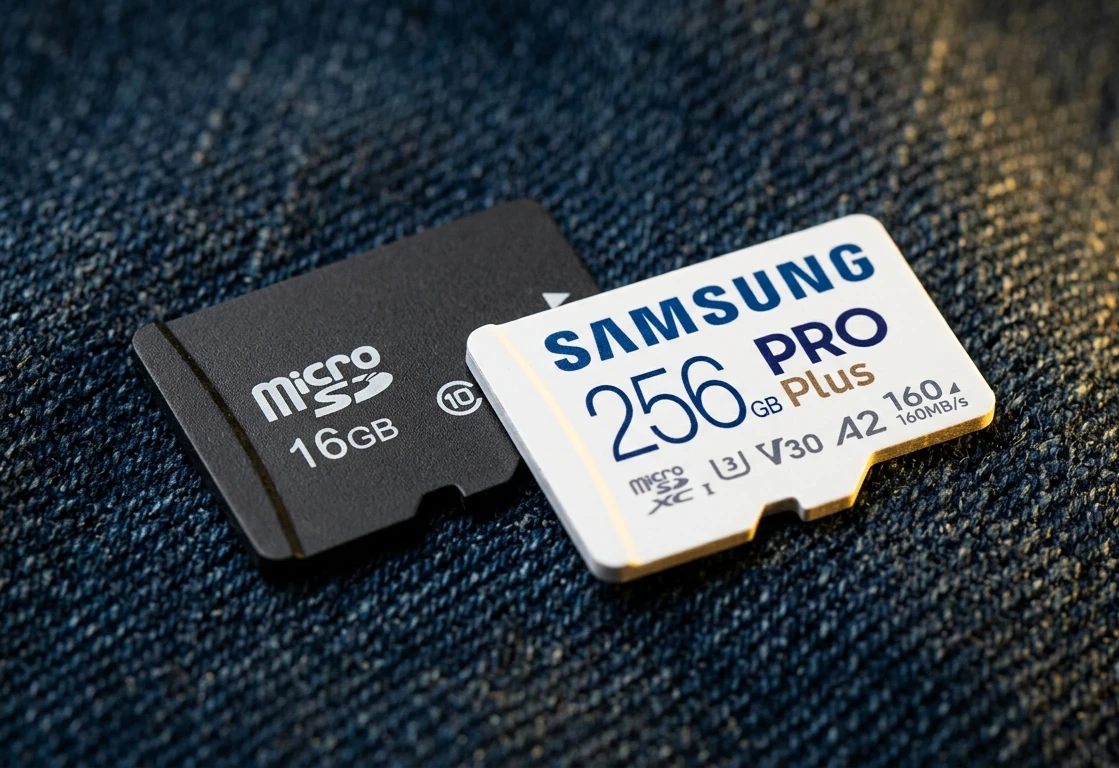
The storage card. Manufacturers fit cheap, no-name microSD cards to keep costs down. They boot the device fine on day one. Within weeks — sometimes days — they start to fail, and the failure shows up first in the one thing that can’t be replaced: saved games. Hours of progress vanish overnight. This is the single most common problem with retro handhelds, and it’s almost entirely avoidable.
The software. Factory devices ship with unoptimized, half-finished software. Emulators aren’t tuned, so games stutter or controls feel wrong. The visual library isn’t set up, so there’s no box art — just rows of file names. Getting it right means hours of reading forums, editing configuration files, and testing. That’s fine for an enthusiast with a spare weekend. It’s the opposite of what a gift should be.
There’s a third factor that matters to a UK buyer: where it comes from. Buying factory-direct from overseas means three-week shipping, customs charges landing on the doorstep, and no one to contact if it goes wrong. None of that suits a gift, and none of it suits a deadline.
What to look for (and what to avoid)
If you’re comparing options, here’s a short checklist that cuts through the noise.
Brand-name storage, not no-name cards. Look for SanDisk, Samsung, or Kioxia. A seller who specifies the card brand is telling you something. A seller who doesn’t, isn’t.
Ready to play, not ready to configure. The listing should make clear that the device is set up and working — every platform tuned, the library organized, box art in place. If it reads like a box of parts, it is one.
UK stock and UK delivery. A device already in the UK arrives in days, not weeks, with no customs surprises. Free tracked shipping is the standard to expect.
A guarantee on the card. The card is the part most likely to fail. A seller who stands behind it for the life of the device is removing the single biggest risk to your recipient’s saved games.
Real, reachable support. A UK phone number and a named person behind the business. If the only contact is a web form that disappears into a queue, walk away.
Honesty about limits. A trustworthy seller tells you what a device does well and where it struggles. Any listing that promises everything, flawlessly, is overselling.
Why a K-TEC handheld makes a dependable gift
I run K-TEC as a one-person specialist. Every device I sell starts life as a factory handheld and leaves as something quite different — because the work that makes it reliable happens before it reaches you.
I replace the factory card. The cheap no-name card comes straight out. In its place goes a brand-name card from SanDisk, Samsung, or Kioxia — the kind of card built to take the constant read-and-write workload a retro handheld demands. This is the single biggest reliability upgrade I make, and it’s the one that protects your recipient’s saved games.
I guarantee that card for the life of the device. For as long as they own it, the Lifetime SD Card Guarantee has them covered. If the card fails, I replace it. If the data corrupts, I re-flash and restore it. It isn’t a perpetual or open-ended warranty — it runs for as long as they own the device — but it removes the one failure mode that wrecks more retro handhelds than any other. No one else in the UK offers this.
I set up the software properly. Every emulator is tuned so games run as they should, with controls that feel right. The visual library is complete, with box art organized by platform. On my Android devices I support roughly twice as many consoles as the factory setup — the result of per-platform tuning the manufacturer never did. The device turns on ready to play, not ready to be fixed.
It ships from the UK. Free Royal Mail Tracked 48 delivery, arriving in two to three working days. No customs, no import VAT, no three-week wait that blows past the occasion.
There’s a real person to call. I’m UK-based and I answer the phone. If the recipient hits a wall — and they occasionally do, because these are still computers — they’re not on their own, and neither are you.
I’m honest about what each device does well and where it falls short, because an oversold gift is a disappointed recipient. If a platform runs poorly on a given handheld, I’ll say so rather than pretend otherwise.
How to choose the right device for them
Picking the right handheld comes down to what era they remember playing — and the good news is you don’t need to know the console names to get it right. I organize my range into four tiers by the era of gaming each device is built to cover, so the decision follows the recipient’s memories rather than a spec sheet.
If they talk about the cartridge era — the 8-bit and 16-bit classics of the late eighties and early nineties. A compact, pocket-friendly device handles that entire era beautifully, and nothing else. These are the lightest, simplest handhelds I sell. The BATLEXP G350 is my entry point: small, affordable, and ready to go straight out of the box.
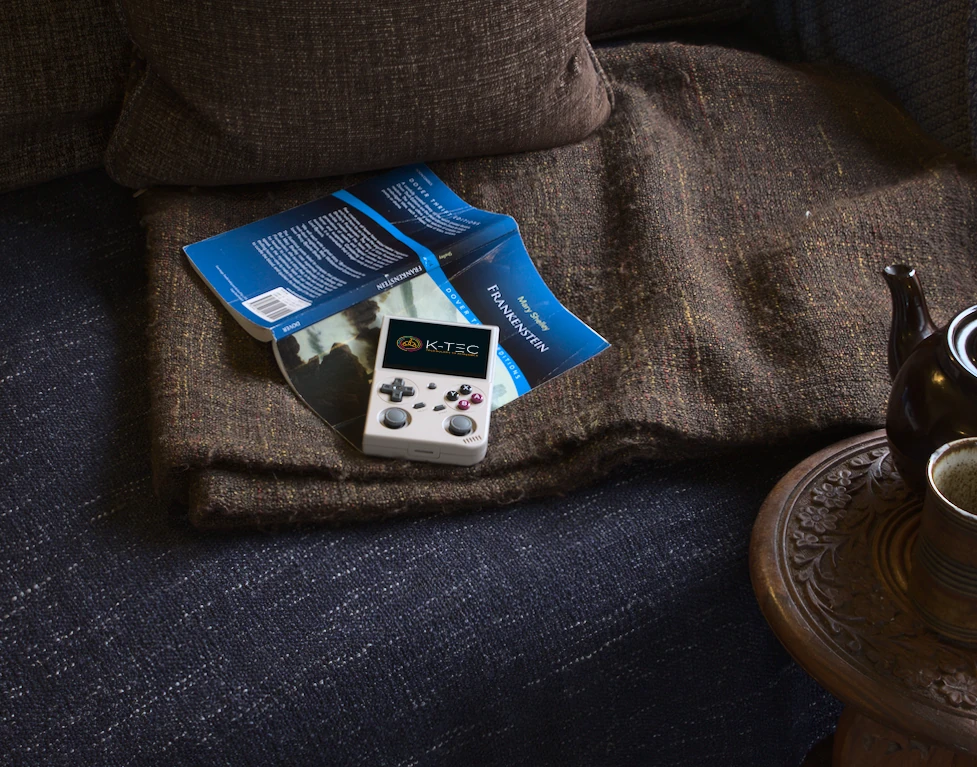
If their memories run into the 32-bit and early 3D era. The next tier opens up the consoles that came after the cartridge years — the disc-based machines and early 3D platforms. I’ve configured the Anbernic RG353V to cover 39 platforms, peaking at Nintendo 64, Dreamcast, and PSP. It dual-boots between two optimized operating systems and has a premium screen, which makes it the device I’d point a thoughtful gift buyer toward when budget allows and the recipient genuinely cares.
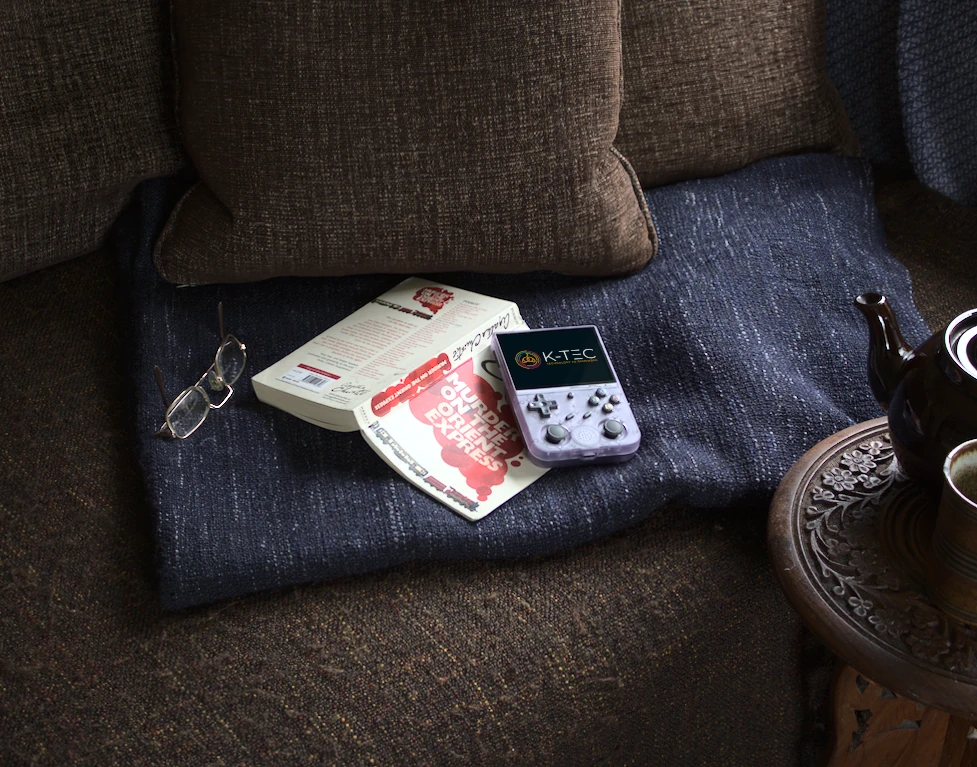
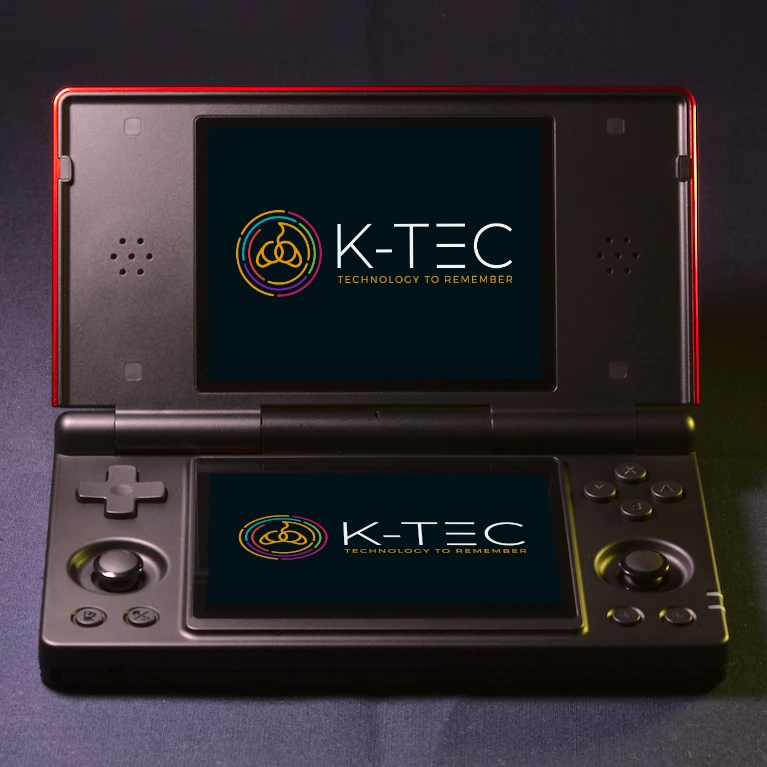
If they loved the Nintendo DS. This is a specific case, and it has its own device. The Anbernic RG DS has two screens — that’s its defining feature, and it’s the reason it exists. It was built to play Nintendo DS games, which need that second screen and a stylus to work properly, and no single-screen handheld can do them justice. It will run other platforms too, but if the recipient’s fondest memories are of a dual-screen Nintendo DS, this is the only device in the range that truly fits. The clamshell design protects both screens in a bag, which makes it a natural fit for a gift.
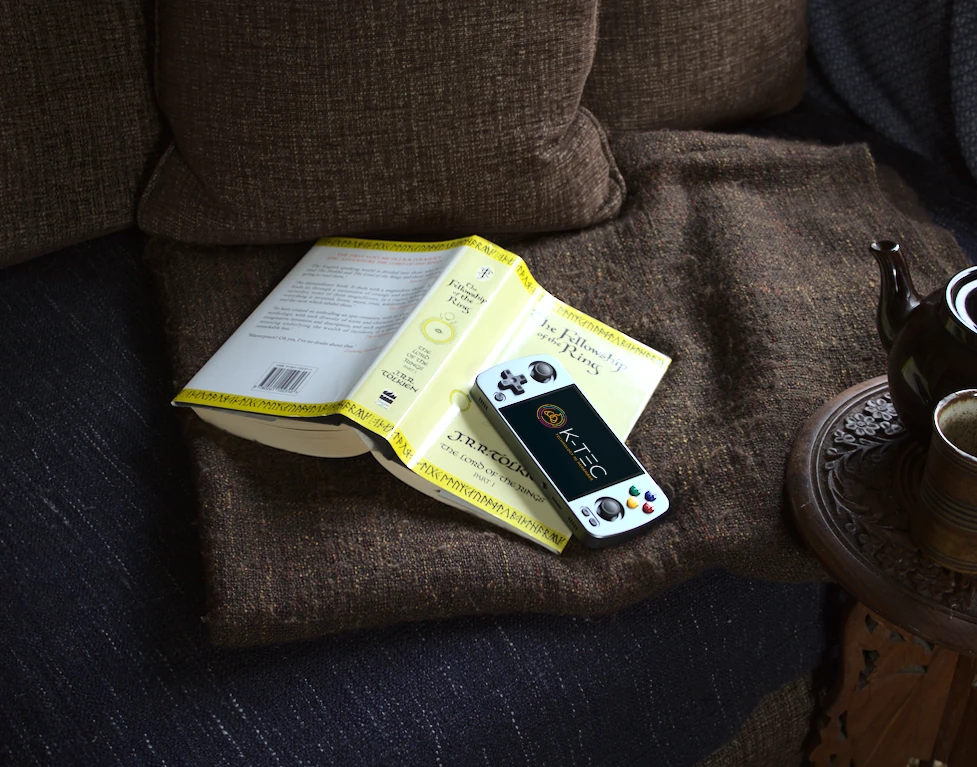
If they want the most capable experience — the full library, including newer and more demanding platforms. The top tier is where the widest platform coverage sits. Both the Anbernic RG405M and the Retroid Pocket 3 Plus are configured for 55 platforms, peaking at PS2, GameCube, and Wii. The RG405M is a premium metal-bodied handheld; the Retroid Pocket 3 Plus adds a larger widescreen display and HDMI output. Either is the choice for someone who wants the deepest library K-TEC offers.
You don’t need to know which console is which. If you can tell me roughly what they played growing up, I can point you at the right device — that’s what the support line is for.
A note on timing
A gift that arrives late isn’t a gift, it’s an apology. K-TEC devices ship from UK stock and arrive in two to three working days, free. What I can’t do is same-day dispatch — Royal Mail’s last collection here is early in the morning, so even an express tier would still land a couple of working days after the order. Plan a few days ahead of the occasion and it’ll be there in plenty of time.
One practical point worth knowing: orders ship to the cardholder’s address, not direct to the recipient. If you’re buying a surprise gift, the device comes to you to hand over. It’s a small constraint, but it keeps payment secure — and for most gift buyers it’s no hardship at all.
What K-TEC customers say
“The work they do on the system saves you every single second of hassle and tweaking and makes it such a pleasure to use.” — Mark, Worcestershire
“I’m at the age where I just want things easy. And yes I could do it myself but I was pleasantly surprised that they have it all done so it’s just plug and play.” — Akthar, Birmingham
“A British company that knows what it is doing. You pay a bit extra but that pays for the configuration which works so well. It is worth it.” — Mark Adams, verified owner
The pattern across the reviews is consistent: people who wanted the games without the homework, and were relieved to find they didn’t have to do it themselves. That’s exactly the relief a good gift should deliver.
The short version
A retro gaming handheld is one of the best gifts you can give someone who grew up playing — but only if it works. The cheap factory devices let you down on the two things that matter most: the storage card that holds the saves, and the software that makes it playable. Get those right and the rest follows.
Every K-TEC device is built to be opened, turned on, and played — brand-name storage guaranteed for the life of the device, software tuned and ready, and a UK specialist on the end of the phone. That’s what turns a risky gadget purchase into a gift they’ll actually remember.
Browse the full range of optimized retro handhelds →
Not sure which device suits them? Get in touch and tell me what they used to play — I’ll point you at the right one.
Leave a Reply