Price range: £214.90 through £239.90
A widescreen retro handheld, configured by K-TEC with triple-resolution PS1 and PSP, the Daijishou library, and micro HDMI out — plus the Lifetime SD Guarantee.
Last few units. This is a device I am not restocking. Once the remaining stock is gone, that is it.
Expertly Configured by K-TEC
The RP3+ runs a solid build of Android 11. What I change is the launcher — Retroid ships it with RetroidOS, and I replace that with Daijishou, a cleaner, more configurable library, then configure every system within it. Open the box and start playing.
The K-TEC Difference:
- Ready to Play: Skip the setup. Start the game.
- Premium Storage: 128 GB of eMMC system storage and your choice of a 128 GB or 256 GB brand-name games card.
- Peace of Mind: Includes my Lifetime SD Card Guarantee — covered for the life of the device — against corruption or data loss.
- Free UK Delivery: Royal Mail Tracked 48, delivered in 2–3 working days.
Available Options:
- 128 GB / 256 GB brand-name microSD card for games storage
Bundle and Save
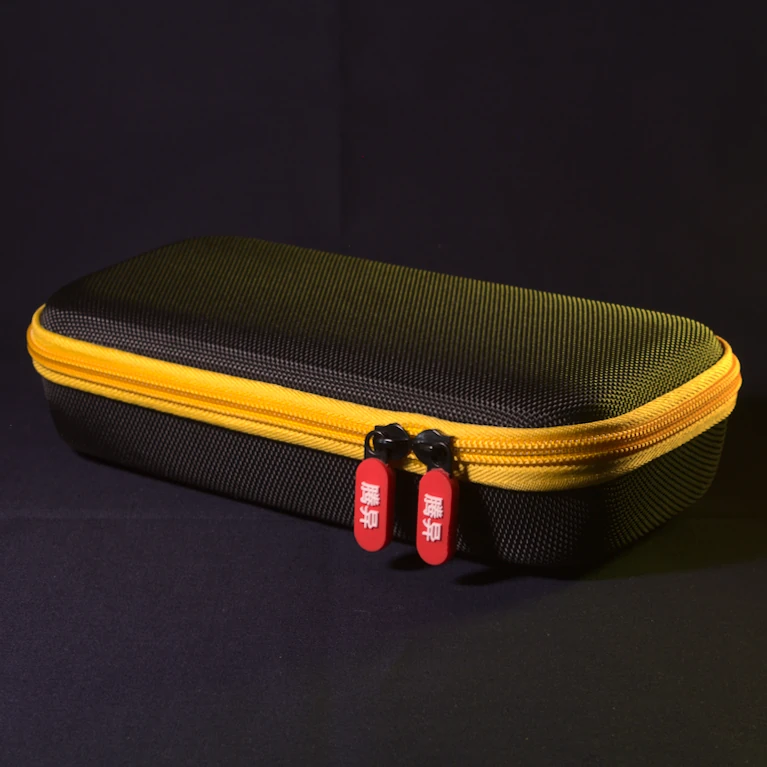
Add this handheld to your basket alongside the Hardshell travel case and save 25% on the case price. The discount applies automatically at checkout.
A widescreen handheld, configured the way I would want one myself

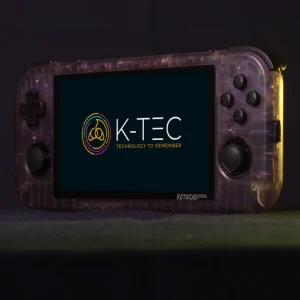
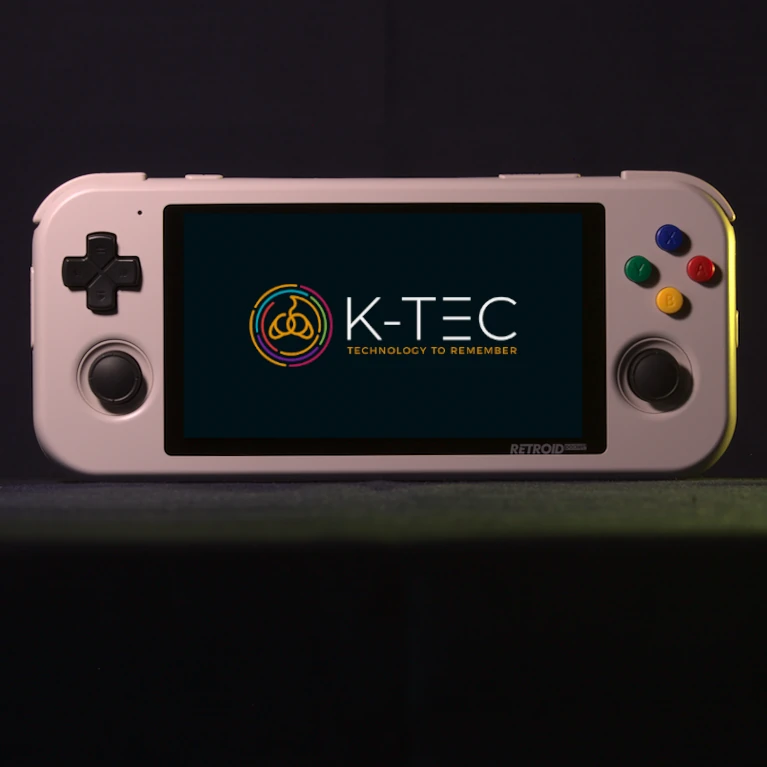
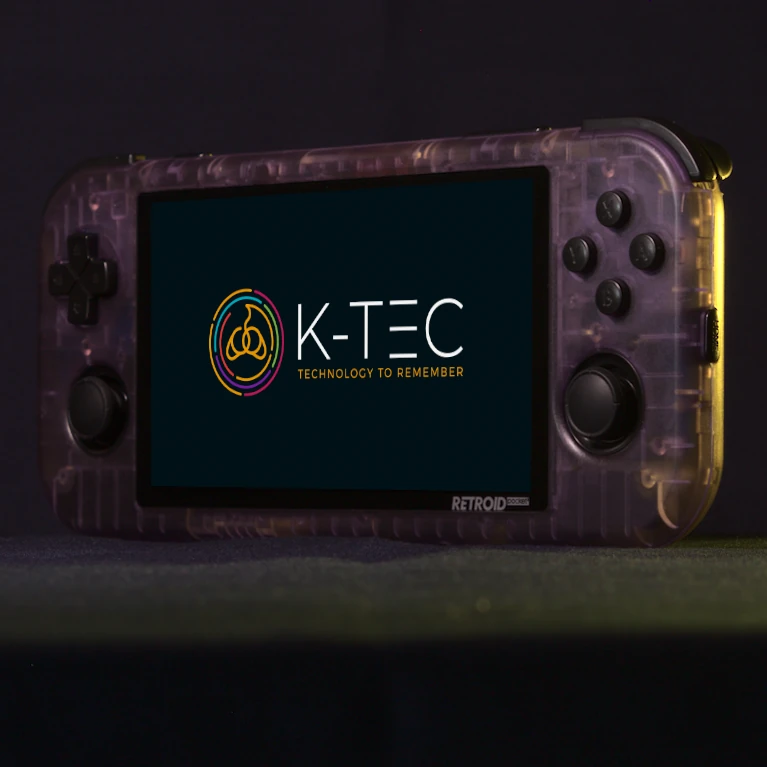
The Retroid Pocket 3+ is a modern, sleek handheld — a 4.7-inch widescreen panel set into a body shaped to sit comfortably in the hands, with curved grips and a proper set of stacked shoulder buttons. The UNISOC T618 inside it is the same chip I configure in the Anbernic RG-405M; here it is paired with a sharper, wider panel, and that pairing is what makes the difference. I will be straight with you: this is a device I am not restocking. The units on the shelf are the last of them, and I have given each one the full configuration.
This is the K-TEC Edition. The hardware is Retroid’s; the experience is mine. The device runs a capable build of Android 11 — good enough that no one in the community ever built custom firmware to replace it. So instead of swapping the operating system, I swap the launcher. Retroid ships the RP3+ with RetroidOS; I replace that with Daijishou, a cleaner visual library with cover art and descriptions, then configure every system within it. Your only job is to play.
The work you do not see
Factory settings are generic, written to suit every device the same way. A standard factory RP3+ arrives with the RetroidOS launcher and around twelve systems configured. I replace that launcher with Daijishou and configure fifty-five systems, each one tuned for this device:
- The Daijishou library means your games appear as tidy lists that feature cover art and descriptions — not a raw file browser.
- Triple-resolution for PS1 and PSP — the high-resolution 1334×750 panel is the reason this is possible. Where the RG-405M manages double-resolution on the same chip, the RP3+ goes further because the screen can show it.
- PGXP geometry correction for PS1, which straightens the wobbly, warping textures that era is known for.
- Double-resolution for many GameCube titles, and enhanced N64 resolutions.
- Widescreen patches for compatible titles — a genuine benefit of the 16:9 screen.
- 3DS set to 1× native across the board — I am not able to do per-game 3DS tuning on this device, so the whole system runs at native resolution. Some titles can run at double-res on this chip; the user guide shows how to test a favourite.
- Custom Wii input profiles — horizontal Wiimote and Nunchuck mappings so non-motion games play sensibly on this hardware. I will be honest about the limit: motion-controlled titles do not translate to a handheld, so they are excluded rather than fudged.
This is the invisible work — the hours of configuring, testing and refinement — that turns a capable piece of hardware into something that simply works.
Hardware and feel

- 4.7-inch IPS multi-touch screen — 1334 × 750 in a 16:9 widescreen ratio, at 325 PPI. The sharpest screen in the K-TEC lineup, and the reason triple-resolution is possible on this device.
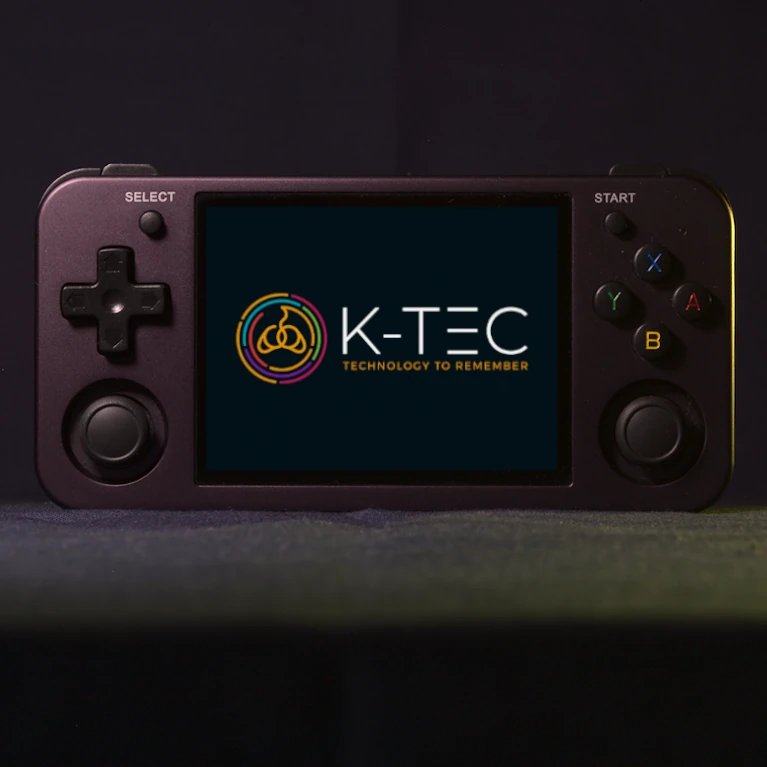
- A body shaped for the hands — curved grips, with the buttons laid out the way a gamepad is. A modern, comfortable handheld rather than a nostalgic one.
- Symmetrical potentiometer joysticks (L3/R3 clickable) with the D-pad set above them.
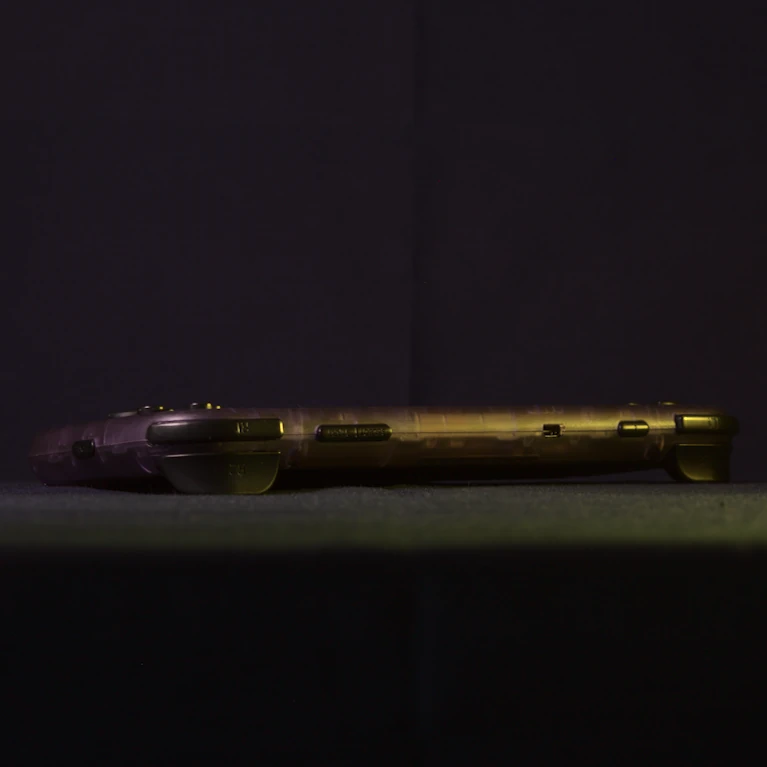
- Stacked shoulder buttons — L1/R1 on top, digital L2/R2 triggers below — the console-controller arrangement the systems this device plays were designed around.
- Micro HDMI output up to 720p — plug it into a television or monitor and play on the big screen. An edge the RP3+ holds over the RG-405M.
- Bottom-facing stereo speakers.
- 4,500 mAh battery — around seven hours of play.
- 235 g, 184.65 × 81.38 × 24.23 mm — a plastic shell over an internal aluminium frame.
What it plays well, and where it reaches its limit
I will be straight with you about performance, because overselling a chip helps nobody.
- Plays at its best: Sony PSP and SEGA Dreamcast — the widescreen sweet spot — plus PlayStation 1, Nintendo 64, and everything older: SNES, Mega Drive, NES and the Game Boy family.
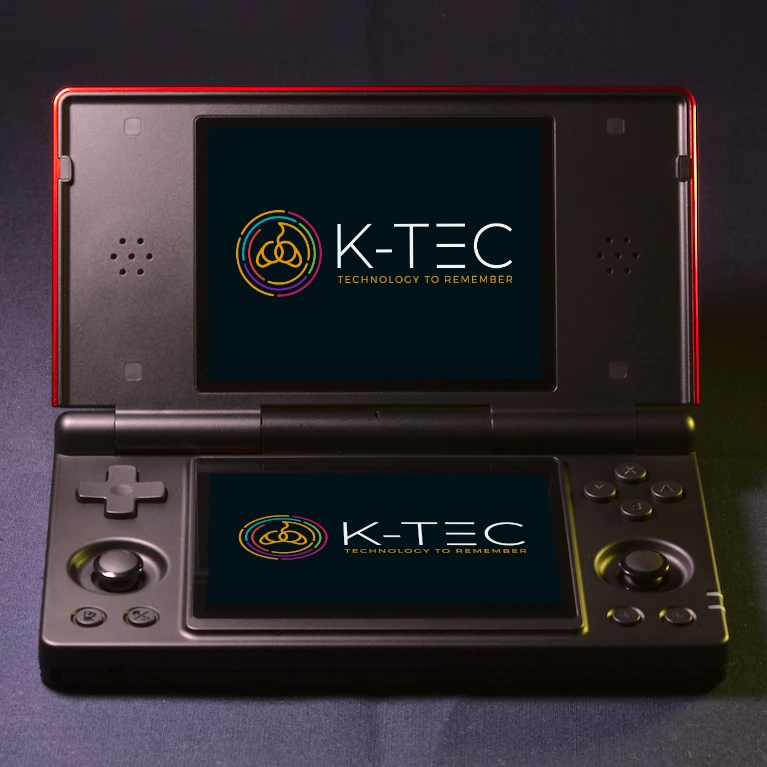
- Plays well: Nintendo DS. The dual-screen layout is a compromise on any single screen, but the 16:9 panel actually helps here — there is room to show both screens side by side rather than stacking them, with the touch screen set smaller. A genuine widescreen benefit.
- Pushes the hardware: GameCube, Nintendo Wii, PlayStation 2 and Nintendo 3DS. Many titles run well, but these sit at the edge of what the T618 can do, and not every game hits full speed. My tuning gets the best the chip delivers.
- Not capable of: PlayStation 3 and Wii U. No T618 handheld is.
Supported systems
Your K-TEC Edition RP3+ arrives pre-configured across a broad sweep of gaming history:
- Home consoles: PlayStation 1, Nintendo 64, SEGA Dreamcast, SNES, SEGA Mega Drive, NES.
- Handhelds: Game Boy Advance, Nintendo DS, Sony PSP.
- Computers: Amiga, Commodore 64, ZX Spectrum.
- And dozens of arcade and classic systems — every platform pre-configured and ready to play.
It also reaches further than most handhelds in this class — GameCube, Wii, PlayStation 2 and Nintendo 3DS all run, with the caveats above.
Brand-name storage, backed for the life of the device
This is where I refuse to cut the corner that catches people out. Cheap handhelds arrive with no-name SD cards that corrupt within weeks — and take your save files with them.
Every RP3+ from K-TEC ships with 128 GB of eMMC system storage plus your choice of a 128 GB or 256 GB brand-name games card. I am confident enough in these cards to back them with my Lifetime SD Card Guarantee — covered for the life of the device. If a card fails, I replace it.
A note on charging
Keep the charging voltage at 5V — that is the number that matters. A 5V / 3A charger is fine. What to avoid are USB-C to USB-C fast chargers — the kind that come with modern phones and MacBooks — because they negotiate higher voltages that can damage the battery regulation circuit on this device. A standard plug-top charger with a USB-A port and a USB-A to USB-C cable is the safe, simple choice.
What others say
“This is chalk and cheese!”
— Mark A, K-TEC customer, on the difference versus importing a handheld yourself
Want to see the device itself? Our Nerd Corner reviewed the Retroid Pocket 3+ — the screen, the widescreen setup, and where the T618’s strengths sit.
Review unit supplied by K-TEC; coverage is independent.
Find your fit
- Considering the RG-405M? It runs the same T618 chip in a different body — a 4:3 screen, Android 12, and a full aluminium shell, where the RP3+ trades those for a 16:9 widescreen, micro HDMI and transparent colour options. Buyers compare the two for good reason. See the Anbernic RG-405M.
- Already own one? The Retroid Pocket 3+ user guide walks you through the controls and settings.
- Comparing sellers? Read Where to Buy the Retroid Pocket 3+ in the UK — an honest look at stockists, prices and what you actually get for your money.
Why K-TEC at all?
If you are weighing this against a cheaper import or an Amazon reseller, the short version is this: same hardware, completely different experience. I pre-optimize every device — per-platform tuning, brand-name storage, the Lifetime SD Guarantee and UK support — so you open the box and it works. Ready to play, right out of the box. No setup. No frustration.
Technical specifications
| Feature | Specification |
|---|---|
| Processor (CPU) | UNISOC Tiger T618, 8-core (2× Cortex-A75 + 6× Cortex-A55 @ 2.0 GHz) |
| Graphics (GPU) | Mali-G52 MP2 @ 850 MHz |
| RAM | 4 GB LPDDR4X @ 1866 MHz |
| Storage | 128 GB eMMC (Android 11) + your choice of 128 GB or 256 GB brand-name games card |
| Display | 4.7-inch IPS multi-touch, 1334 × 750, 16:9 widescreen, 325 PPI |
| Operating system | Android 11 (Retroid build); K-TEC replaces the stock RetroidOS launcher with Daijishou and configures every system within it |
| Controls | Dual symmetrical potentiometer joysticks (L3/R3 clickable), stacked L1/R1 shoulder buttons + digital L2/R2 triggers, multi-touch screen, gyroscope, rumble |
| Connectivity | Wi-Fi 5 (2.4/5 GHz 802.11a/b/g/n/ac), Bluetooth 5.0, micro HDMI (up to 720p), USB-C, 3.5 mm audio jack, microSD (up to 2 TB) |
| Audio | Bottom-facing stereo speakers; passive cooling (no fan) |
| Battery | 4,500 mAh Li-polymer (~7 hours of play) |
| Dimensions | 184.65 × 81.38 × 24.23 mm |
| Weight | 235 g |
Available options
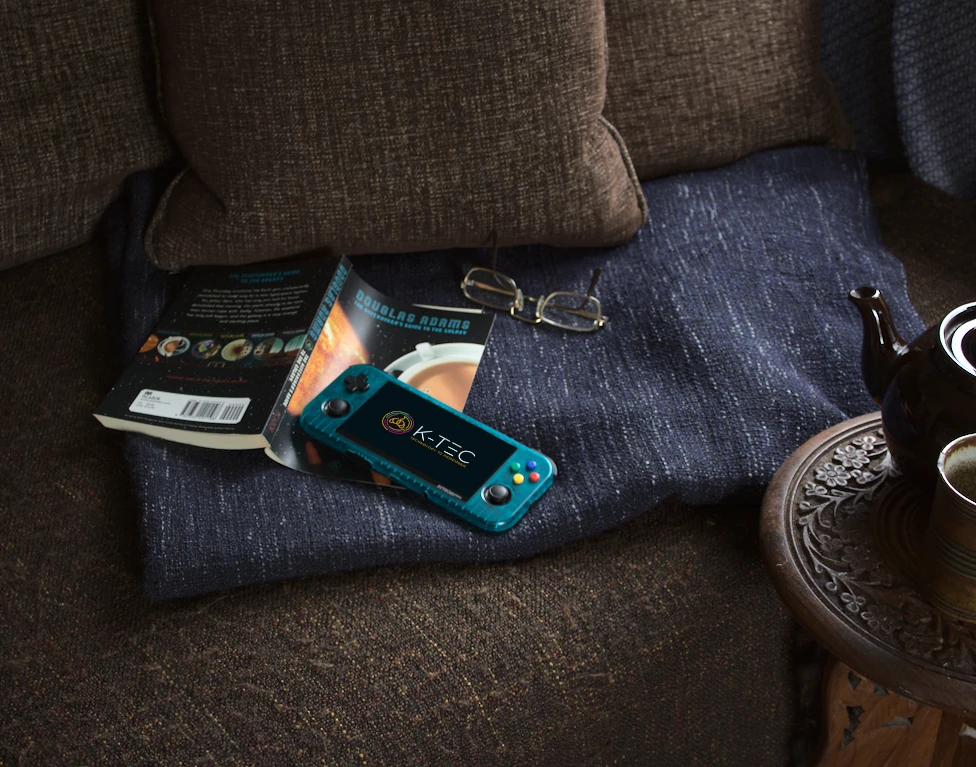
- Colours: 16Bit and Clear Blue are the colours still available. Black and Clear Purple have sold through — when the remaining 16Bit and Clear Blue units are gone, this device is retired.
- Storage: Essential Edition (128 GB games card) or Expanded Edition (256 GB games card)
- Optional accessory: Hardshell travel case (£15.90 — or 25% off when bought with the device; the discount applies automatically at checkout)
| Weight | N/A |
|---|---|
| Dimensions | N/A |
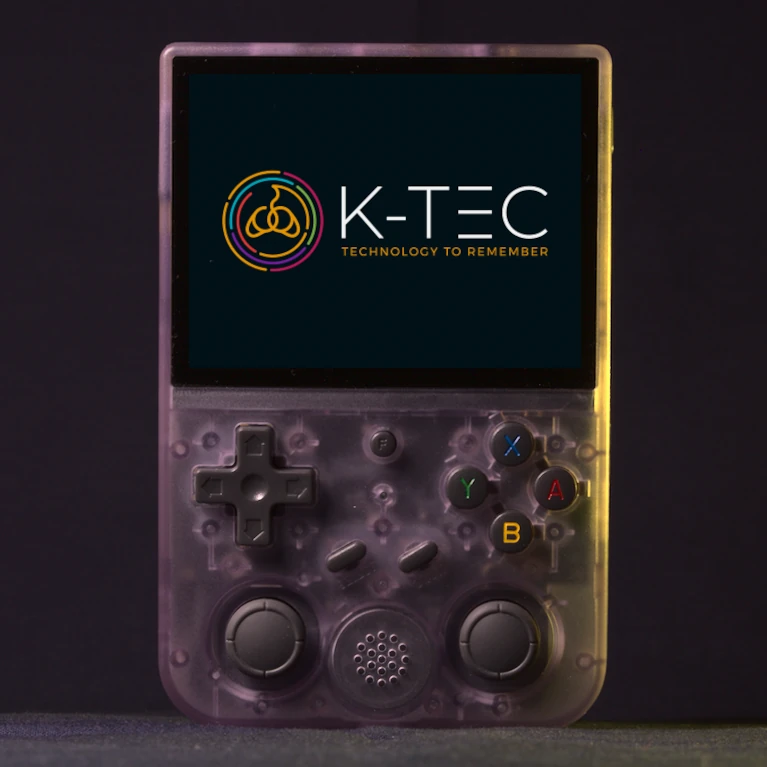
| Colour | Black, 16Bit, Clear Blue, Clear Purple |
| Storage | Essential Edition: 128GB, Expanded Edition: 256GB |


Reviews
There are no reviews yet.